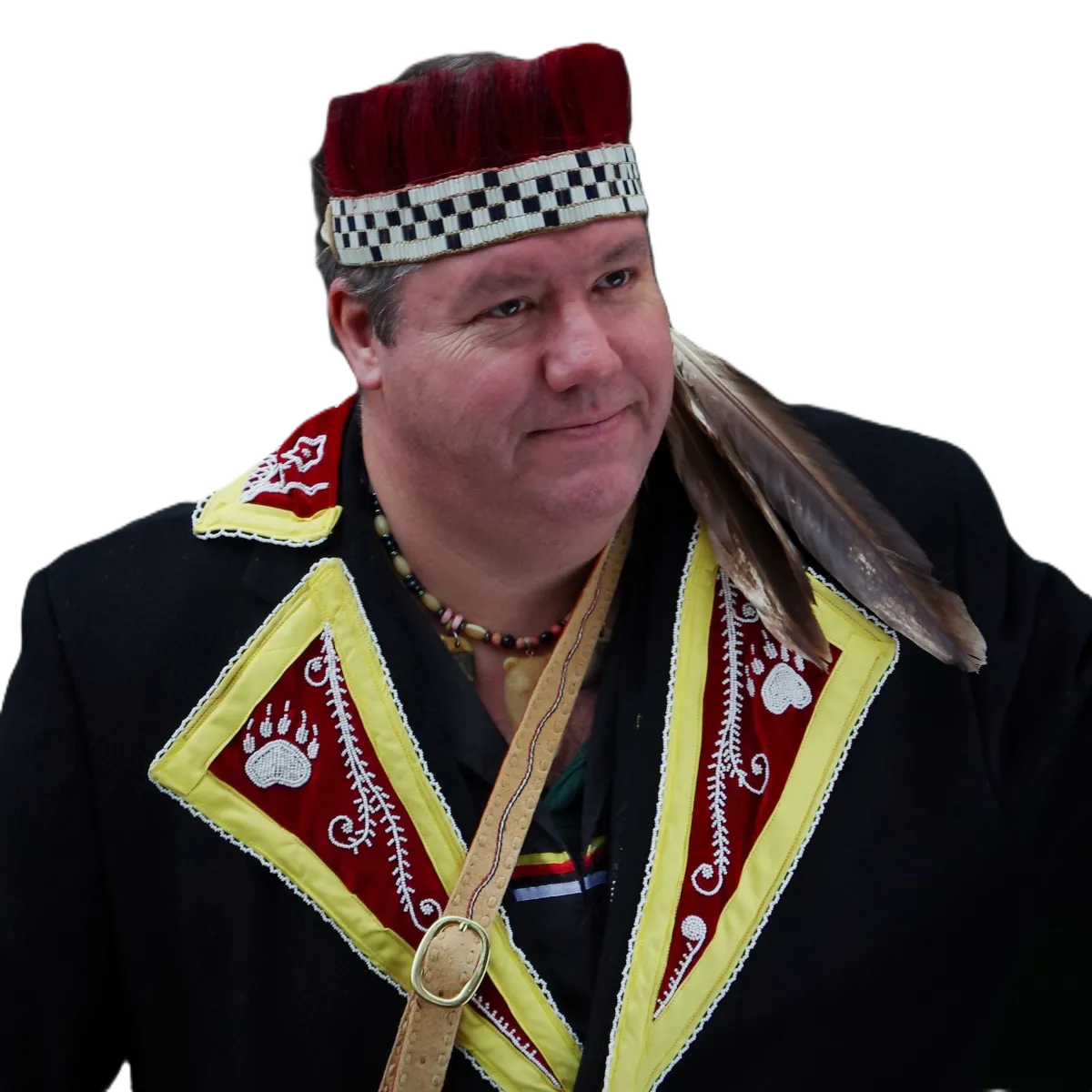
Chief of Nulhegan Band of the Coosuk Abenaki Nation
Executive Director, AHA
Chief Donald
Stevens
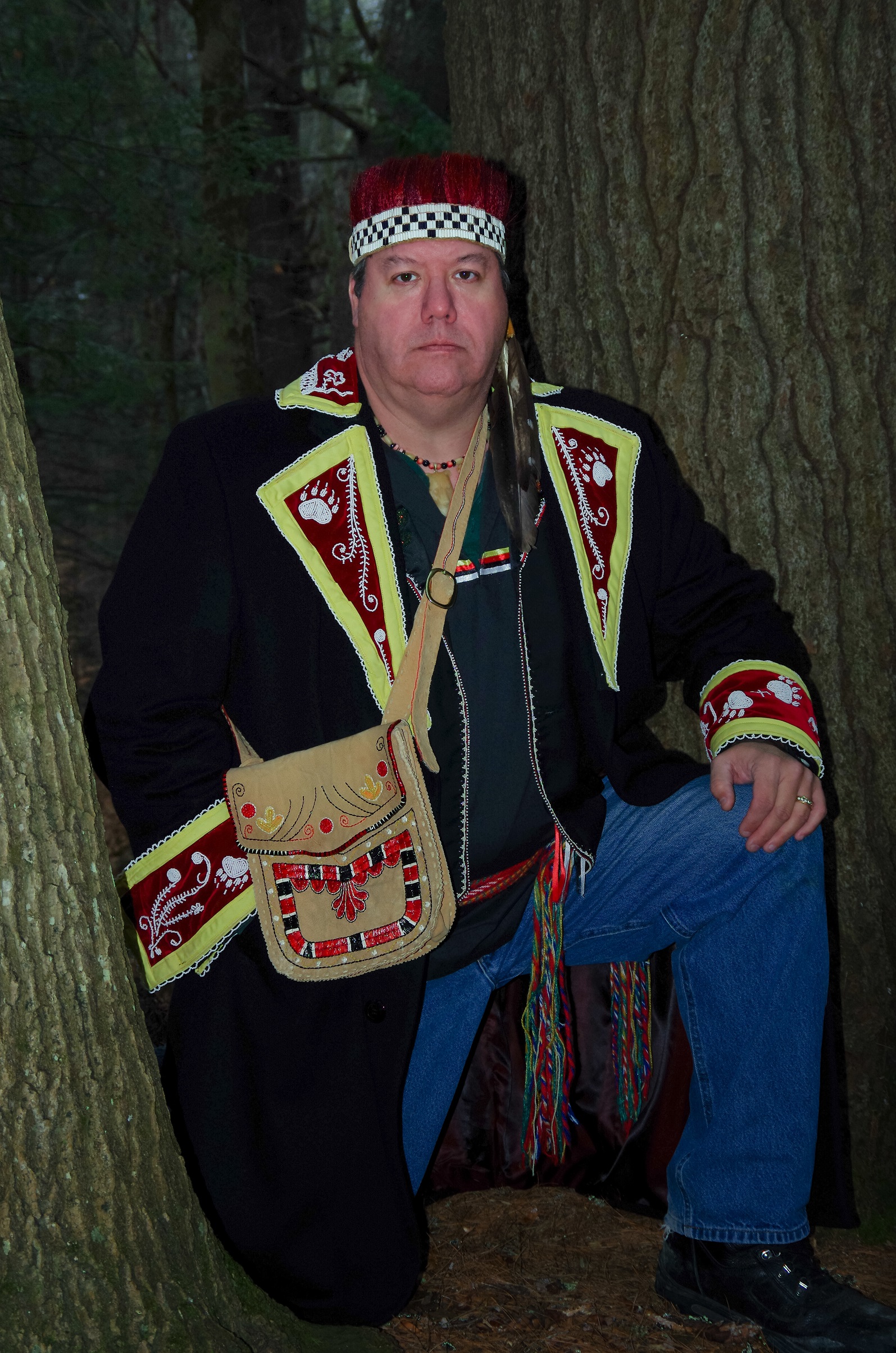
About Chief Stevens
Don Stevens serves as Chief of the Nulhegan Band of the Coosuk-Abenaki Nation and is President of Abenaki Helping Abenaki, an organization dedicated to supporting Native communities through advocacy, education, and community-based initiatives. His leadership reflects a lifelong commitment to service, cultural preservation, and the advancement of Abenaki people.
An accomplished leader, businessman, and lecturer, Chief Stevens has served on numerous boards and commissions at both the state and community levels. His service includes membership on the Vermont Commission on Native American Affairs and the Attorney General’s Board on Racial Disparities, where he worked collaboratively with government officials and community leaders to address issues impacting Indigenous and marginalized communities.
Chief Stevens has played a significant role in efforts to achieve state recognition, advance language revitalization initiatives, secure tribal land, and negotiate federal agreements that protect cultural and religious practices for Abenaki citizens. His work in these areas reflects a focus on strengthening tribal sovereignty, preserving cultural identity, and ensuring long-term sustainability for future generations.
In addition to his public service, Chief Stevens brings over 30 years of experience in Information Technology and Project Management. This professional background informs his practical, solutions-oriented approach to leadership and organizational development.
Chief Stevens is a United States Army Veteran, a graduate of Champlain College, and has been recognized for his contributions through several honorary doctorate degrees. His combined experience in leadership, technology, and public service continues to guide his work on behalf of the Nulhegan Abenaki Tribe and the broader Abenaki Nation.
Who I Am
"I am a proud citizen of the Abenaki Nation and have had the honor of serving as Chief of the Nulhegan Abenaki Tribe since my election in 2010. In this role, I am entrusted with representing the Tribe and advocating for the interests, rights, and well-being of our citizens, while upholding the traditions, values, and responsibilities passed down through generations."
Before being elected Chief, I served as Chair of the Vermont Commission on Native American Affairs, an appointment made by then–Governor Jim Douglas. During my tenure, I worked collaboratively with state leadership, tribal representatives, and community members to address issues affecting Native American communities throughout Vermont.
This experience strengthened my commitment to government-to-government relations, respectful dialogue, and effective advocacy on behalf of tribal nations. My leadership is guided by a dedication to service, cultural preservation, and the pursuit of opportunities that support the long-term strength and sustainability of the Nulhegan Abenaki Tribe and the greater Abenaki Nation.
My Role as Chief
Governance & Responsibility
Internal Governance
I am responsible for helping to facilitate internal tribal governance. I work closely with the Tribal Council and Elders to support thoughtful communication, collaboration, and decision-making on issues that impact the Tribe. This includes balancing traditional knowledge with modern governance needs.
A Vision for the Future
Through these responsibilities, my focus is on strengthening unity within the Tribe, promoting transparency, and supporting decisions that reflect the best interests of our citizens - today and for future generations.
Principles that Guide my Service
As a spiritual pipe carrier for the people, every major decision that I make is made through ceremony and asking for spiritual guidance. This combined with listening, honesty, integrity, and being grounded in all things; allows for the multitude of successes that have happened both personally and for our people as a whole. It has always been my promise and perspective to “leave no Abenaki behind” in regards to leadership decisions. We make decisions on what is best for all which includes the Animals, Trees, and every living thing that occupy our space.
Purpose & Transparency
Why This Website Exists
Why This Website
Exists
This website was created to provide the public with a clear and accurate
understanding of who I am—both as a person and as a leader. It offers insight into my
responsibilities, values, and the work I carry out on behalf of the Nulhegan Abenaki
Tribe and the greater Abenaki Nation.
The site also serves as a resource for those seeking information about tribal
leadership, government-to-government relations, and ongoing efforts to support and
protect our citizens. By sharing this information openly, the goal is to promote
transparency, understanding, and respectful dialogue with community members,
government partners, and the public.
Through this platform, visitors can learn more about the history, priorities, and
future direction of the Tribe, as well as the principles that guide my service as
Chief.
Accomplishments
State Recognition
In 2011, I played a key leadership role in advancing efforts toward state recognition of the Nulhegan Abenaki Tribe. This work involved engagement with state officials, formal review processes, and advocacy for the historical, cultural, and political identity of our people. Achieving state recognition affirmed the Tribe’s presence and legitimacy within Vermont and strengthened its ability to protect citizens, preserve cultural heritage, and participate in meaningful government-to-government relationships.
Securing Tribal Land
I worked to help secure 465 acres of land for the benefit of Nulhegan Abenaki citizens. This land supports cultural preservation, community use, and long-term sustainability for future generations. Securing tribal land required coordination, planning, and advocacy, and reflects a commitment to maintaining a lasting connection between our people and the land.
Eagle Feather Legal Agreement
In 2016, I was involved in negotiating a legal settlement agreement with the United States Department of the Interior to secure the right for Vermont State-Recognized Abenaki tribal citizens to obtain and possess eagle feathers for traditional, cultural, and religious purposes. This agreement protected religious freedom and cultural practices while maintaining compliance with federal law, representing a meaningful step in preserving Abenaki identity.
Vermont Abenaki Hunting & Fishing Rights
The Vermont Abenaki have reclaimed their traditional hunting and fishing rights through the passage of H.716 on July 13, 2020, which was signed by Governor Scott and took effect on January 1, 2021. This law grants the Abenaki free hunting and fishing rights, but it requires the application of a special license. The Abenaki Nation, along with the Nulhegan, Missisquoi, Kaosek, and Elnu tribes, has successfully reclaimed these rights, marking a significant achievement in the recognition and respect of the Abenaki Nation in Vermont.
“We honor our ancestors by caring for the land, uplifting our people, and walking forward in partnership.
When we recognize the truths of the past and choose respect in the present, we ensure that future
generations—Abenaki and non‑Abenaki alike—can stand together on this land in a good way.”
— Chief Don Stevens, Nulhegan Band of the Coosuk Abenaki Nation
Chief Donald Stevens
Chief of the Nulhegan Band of the Coosuk Abenaki Nation
Copyright 2026. Chief Donald Stevens. All Rights Reserved.
Dedicated to the preservation of Nulhegan Abenaki culture and the well-being of its
citizens.